
Garage doors are one of the largest moving systems in your home—and one of the most relied upon. Whether you’re leaving for work, storing valuable equipment, or securing your property at night, your garage door must operate safely and smoothly. At the heart of that system is a small but powerful component: the garage door spring.
If your garage door suddenly feels heavy, stops midway, or refuses to open, there’s a strong chance the spring system is the issue. In this in-depth guide, you’ll learn How Do You Know What Type of Garage Door Spring You Need? and when it’s time for a professional.
What Do Garage Door Springs Do?
Garage door springs are engineered to counterbalance the full weight of your garage door—often between 130 and 400 pounds. Without springs, lifting the door manually (or even with an opener) would be nearly impossible.
When functioning properly, springs:
-
Offset the door’s weight
-
Allow smooth opening and closing
-
Reduce strain on the garage door opener
-
Improve overall safety and stability
A damaged or improperly sized spring can cause uneven movement, loud noises, or complete system failure. That’s why selecting the correct type of garage door spring is critical.
The Two Main Types of Garage Door Springs
There are two primary spring systems used in residential garage doors: torsion springs and extension springs. Each operates differently and is suited for specific door sizes and weights.
1. Torsion Springs (Most Common)
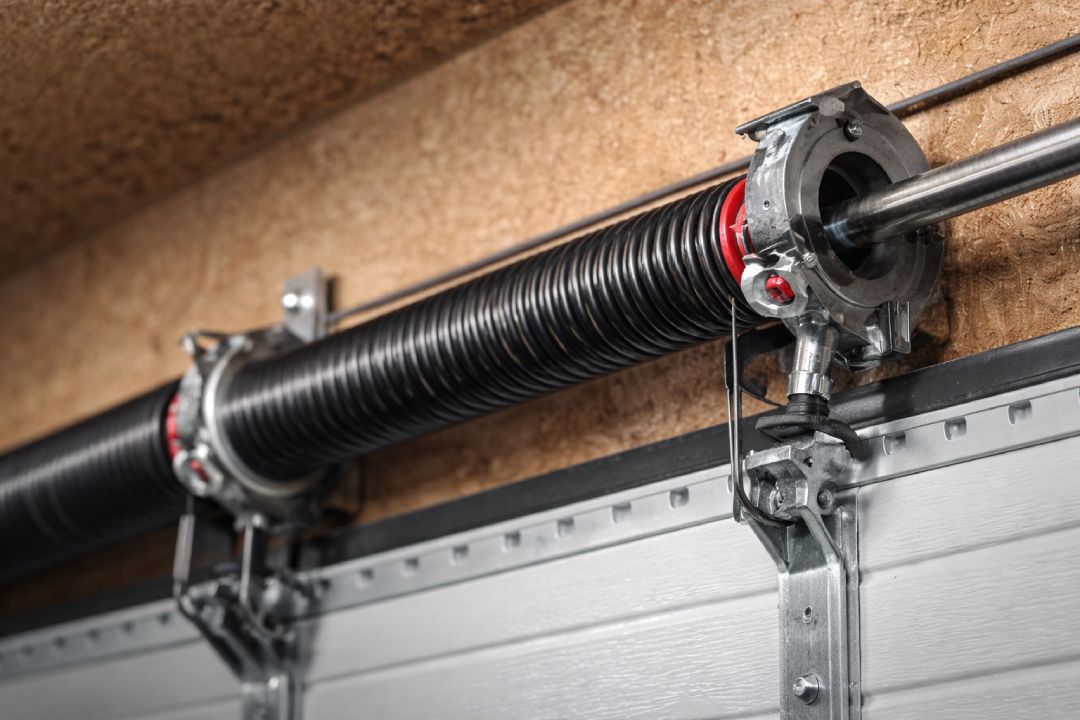
Torsion springs are mounted horizontally above the garage door opening on a metal shaft. They work by twisting (creating torque) to lift the door.
Key Features:
-
Installed above the garage door
-
Designed for smoother and quieter operation
-
More durable than extension springs
-
Typically last 10,000 to 15,000 cycles (one cycle = one open and close)
Best For:
-
Heavier or double-wide garage doors
-
Modern garage door systems
-
Homeowners seeking longer lifespan and reliability
High-cycle torsion springs (20,000–50,000 cycles) are available for households that frequently use their garage.
2. Extension Springs (Common in Older Systems)
Extension springs are installed along both sides of the garage door, running parallel to the horizontal tracks. They stretch and contract to help lift and lower the door.
Key Features:
-
Mounted on either side of the door
-
Operate using cables and pulleys
-
Typically last 5,000 to 10,000 cycles
-
More affordable but less durable than torsion systems
Best For:
-
Lighter, single-car garage doors
-
Older garage door systems
-
Budget-conscious replacements
Because they stretch under tension, extension springs must include safety cables to prevent injury if they snap.
How to Identify Which Garage Door Spring You Need
Before replacing a spring, it’s essential to identify the correct type and size. Installing the wrong spring can cause serious damage to your garage door system—or even lead to injury.
Step 1: Perform a Visual Inspection
-
Look above the door opening: A single or pair of tightly wound springs on a shaft indicates a torsion system.
-
Check the sides of the door: Long, thinner springs running alongside the tracks indicate extension springs.
Step 2: Measure Your Existing Spring
Accurate measurements are critical for proper garage door spring replacement.
You’ll need to determine:
-
Spring Length: Measure the relaxed (unwound) spring.
-
Wire Diameter: Measure 10 or 20 coils and divide by the number of coils for precision.
-
Inside Diameter: Often stamped on the spring cone (commonly 1.75” or 2”).
-
Wind Direction (Torsion Only):
-
Right-wind springs are mounted on the left side.
-
Left-wind springs are mounted on the right side.
-
Never guess spring measurements. Even small variations affect balance and safety.
Understanding Garage Door Spring Color Codes
Many manufacturers use color coding on torsion springs to indicate wire size and weight capacity. While helpful, color codes should never replace physical measurements.
If you’re unsure, consult a professional garage door technician to verify proper sizing before ordering a replacement.
Signs Your Garage Door Spring Is Broken
A failing spring often shows warning signs before complete failure. Watch for:
-
Garage door feels unusually heavy
-
Door opens crooked or uneven
-
Loud snapping or banging sound
-
Visible gap in the torsion spring
-
Garage door opener struggles or stops
-
Door only opens a few inches
If you notice any of these symptoms, stop using the door immediately. Operating a garage door with a broken spring can damage the opener or cause further mechanical issues.
How Long Do Garage Door Springs Last?
Spring lifespan depends on cycle rating and daily usage.
-
Standard Torsion Springs: 10,000–15,000 cycles
-
Extension Springs: 5,000–10,000 cycles
-
High-Cycle Torsion Springs: 20,000–50,000+ cycles
If you use your garage door 4 times daily, a 10,000-cycle spring will last approximately 7 years.
Regular lubrication and maintenance can help extend spring life but will not prevent eventual wear.
Can You Replace Garage Door Springs Yourself?
Garage door spring replacement is one of the most dangerous home repairs. Springs are under extreme tension, and improper handling can result in serious injury.
DIY risks include:
-
Sudden spring release causing injury
-
Incorrect tension leading to imbalance
-
Damage to cables, drums, or opener
-
Voided manufacturer warranties
Professional technicians use specialized winding bars, safety equipment, and precise calibration techniques to ensure safe and accurate installation.
Choosing the Right Replacement Spring
When selecting a new spring, always:
-
Match the correct spring type (torsion vs. extension)
-
Verify exact measurements
-
Choose the proper cycle rating
-
Replace both springs (if you have a dual system) to maintain balance
Upgrading to high-cycle torsion springs can significantly improve performance and reduce long-term maintenance costs.
Why Professional Installation Matters
Hiring a professional for garage door spring repair ensures:
-
Proper weight calibration
-
Safe handling of high-tension components
-
Balanced door operation
-
Extended lifespan of opener and hardware
-
Warranty protection
A properly balanced garage door should stay in place when lifted halfway manually. If it moves up or down on its own, the springs may be improperly adjusted.
Final Thoughts: Don’t Ignore Spring Problems
Garage door springs may be small components, but they play a massive role in your home’s safety and convenience. Knowing whether you need torsion or extension springs—and ensuring the correct size and installation—protects your door system and prevents costly damage.
If your garage door is heavy, noisy, uneven, or unresponsive, it may be time for a spring inspection. Prompt replacement not only restores smooth operation but also protects your opener and overall garage door system.
When in doubt, consult a qualified garage door professional to assess your springs and recommend the safest, most effective solution.